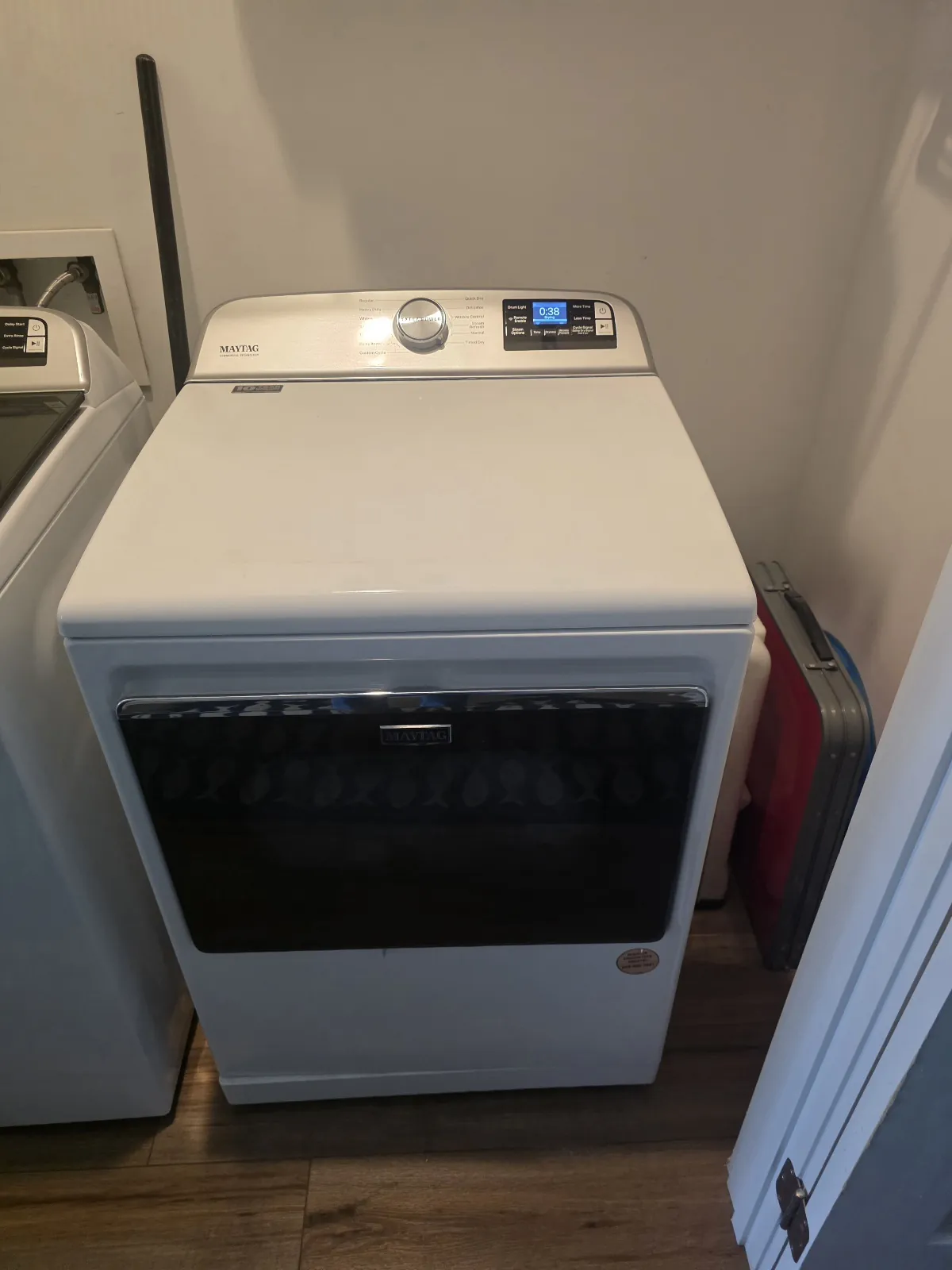
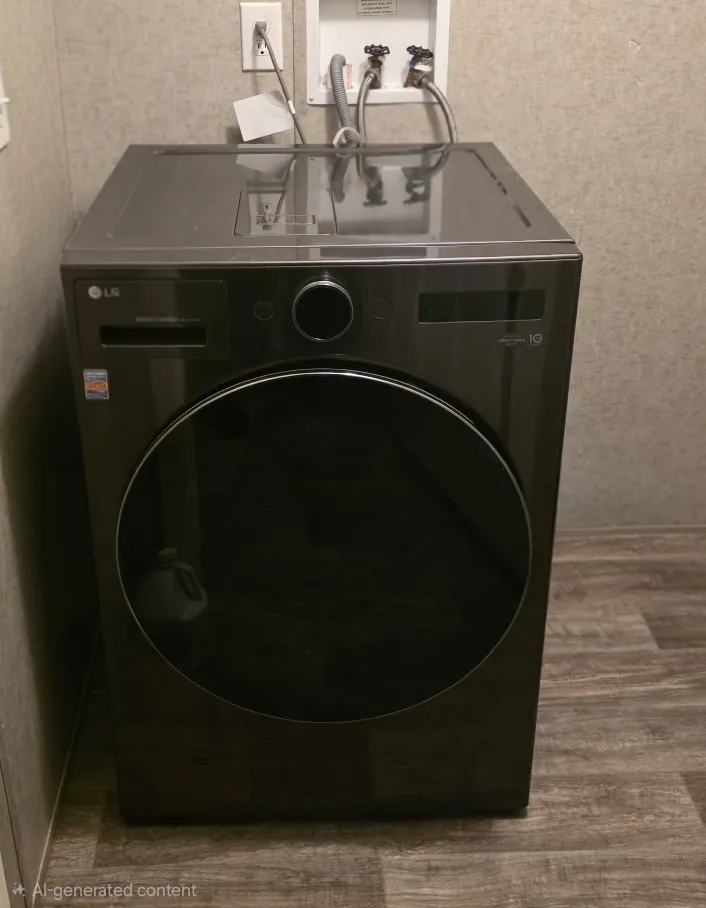
When one machine washes and dries a load from start to finish, it is easy to expect it to behave like a standard washer and dryer pair. It does not always work that way. Many all-in-one units use a ventless system that removes moisture through condensing or heat-pump technology instead of pushing hot, wet air outside. That can mean longer cycles, cooler-feeling clothes, and a display time that changes while the machine works out how much moisture is still in the load.
Long drying is not automatically a fault. It is a problem when a unit suddenly takes much longer than it used to, leaves everyday loads wet, produces an error, leaks, smells unusual, or needs repeated cycles to finish. The aim is not to take the appliance apart. It is to check the simple things that genuinely affect drying, then know when a technician should take over.
Keeping a short note of the cycle, load type, and result can be surprisingly useful. It turns “it takes forever” into a clear pattern that can guide either a simple adjustment or a more productive service visit.
Stop using the machine and arrange help if you smell burning, see smoke, find water near an electrical connection, notice a damaged cord, hear sharp grinding, or see a recurring error message. Do not remove panels or reach into hidden air channels. The owner-accessible parts are model-specific, and a little curiosity can turn into a much bigger repair.
Why a combo unit can dry more slowly
Ventless drying is designed differently. Whirlpool explains that its all-in-one units circulate heated air through the drum and use a condenser to remove moisture, rather than venting it outdoors. That setup is convenient for homes without a traditional dryer vent, but longer drying times are normal with ventless technology.
Heat-pump units work differently again. LG notes that heat-pump drying warms and recirculates air more gradually than a gas or conventional electric dryer, then uses sensors to adjust time as the load dries. That is gentler on fabrics and can use less energy, but it is not built around the fast blast of heat people expect from an older vented dryer. A cycle that looks long on the display may still be operating normally.
The important comparison is not a neighbor's dryer. It is your own machine. If the same type of load used to finish reliably and now needs far longer, that change is the clue worth following.
1. Start with the load, not the timer
The washer side of a combo can usually hold more than the dryer side can finish efficiently. A drum full of towels, jeans, sheets, or mixed fabrics may wash well but leave too little room for clothing to tumble and release moisture during drying. Whirlpool recommends a drum that is half full or less for better all-in-one drying performance, while LG similarly advises reducing an overfull load and letting clothing move freely.
Try one ordinary load that is smaller than usual. Keep heavy towels separate from thin shirts, and avoid a single bulky comforter unless your manual explicitly approves it. Fabrics of very different thickness dry at different speeds. A sensor can read the thinner pieces as dry while a heavy towel is still holding water.
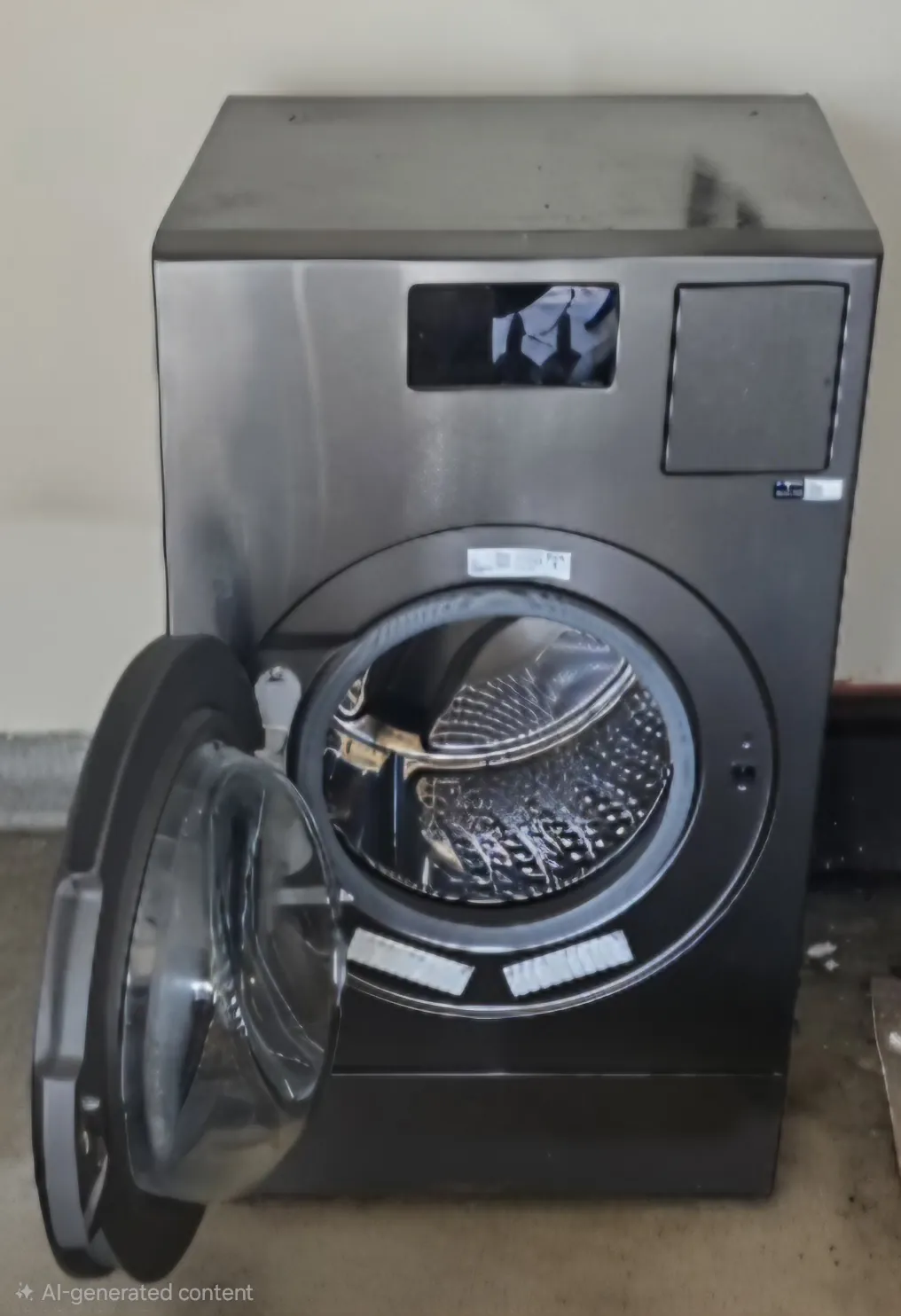
Also pay attention to how wet the load is before drying begins. A high spin setting, when appropriate for the fabric and your model, removes more water before the drying portion starts. If clothes are dripping or the machine leaves standing water, solve that issue first. The related guide, Washing Machine Not Spinning? Start Here, can help you separate a spin problem from a drying problem.
2. Use the right drying option for the job
Automatic drying, timed drying, low-temperature care, energy-saving modes, and dry-only cycles are not interchangeable. A lower heat or damp-dry setting can be exactly right for delicate clothing, but it can leave everyday cottons feeling wetter than expected. In some units, the displayed time is only an estimate because moisture and temperature sensors keep adjusting the program as it runs.
Use the owner manual for the exact cycle names on your machine. For a clean test, choose a normal, model-approved setting for a smaller load of similar fabrics. Do not change the cycle, dry level, load size, detergent, and spin setting all at once. One change at a time makes it much easier to tell what helped.
If you are using dry-only after a separate wash cycle, make sure the laundry has been spun well first. LG's combo-unit troubleshooting guidance points out that a separate spin cycle can remove a large amount of water before the dry cycle begins.
Do not judge dryness by temperature alone
A traditional dryer often leaves clothes feeling very warm. A ventless combo can leave a load feeling cooler, especially near the end of a sensor-controlled cycle. That does not necessarily mean the clothes are wet. Take out one item, shake or unfold it, and give it a moment before deciding. Heavy seams, waistbands, pockets, and towel hems are better places to check than the thin surface of a shirt.
On the other hand, a load that feels cool and still has clearly damp heavy areas is telling you something useful. Check the load size and spin result first. If the same issue happens with an appropriate small load, do not keep adding hours through repeated timed cycles. Record the cycle used and how the laundry felt. That information helps distinguish a setting issue from a performance issue.
Keep sensors and detergent residue in mind
Many modern laundry appliances use moisture and temperature sensors to decide when drying is complete. Residue, lint, or fabric softener can interfere with the parts that are meant to detect moisture or move air. The safe response is not to scrub hidden components. It is to follow the manual's cleaning instructions for the accessible filter, dispenser, gasket, and drum, then test one normal load.
Use measured detergent and avoid adding extra product in the hope that it will improve results. Excess suds or residue can create washing and draining problems that show up later as a drying complaint. If a maintenance alert returns immediately after you have completed the approved care steps, treat it as a reason to schedule service rather than trying to reset the unit over and over.
3. Keep to the maintenance your model allows
All-in-one machines are not identical. Some have a user-cleanable lint filter or channel, some direct owners to a drain-pump filter, and some handle lint differently. That is why copying a cleaning video for another brand is a bad bet. Your manual is the instruction sheet that wins.
Common owner-accessible tasks may include cleaning the detergent dispenser, wiping the door gasket, checking the drain-pump filter, running a tub-clean cycle, and cleaning a filter after use. LG's front-load maintenance guidance recommends regular care of the dispenser, door gasket, drain filter, inlet filters, and tub-clean cycle. Use those ideas only where your model manual permits them.
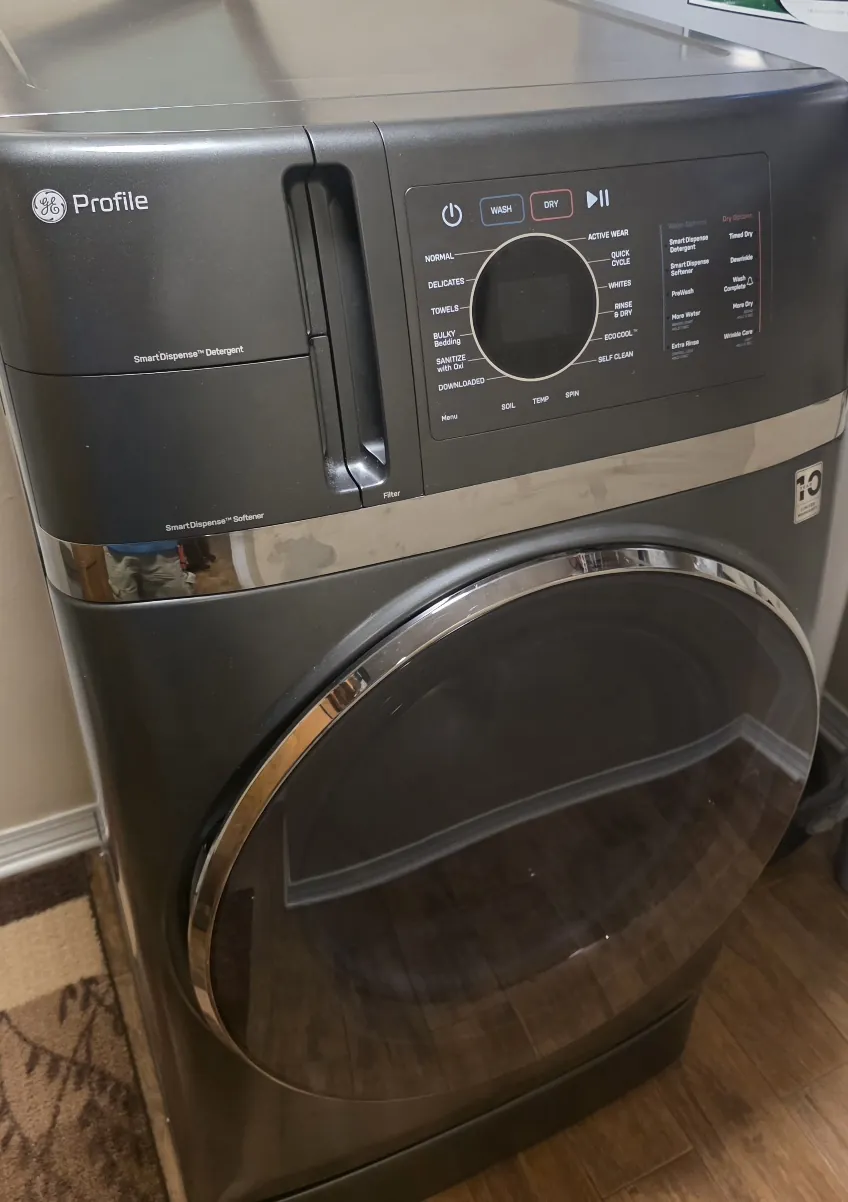
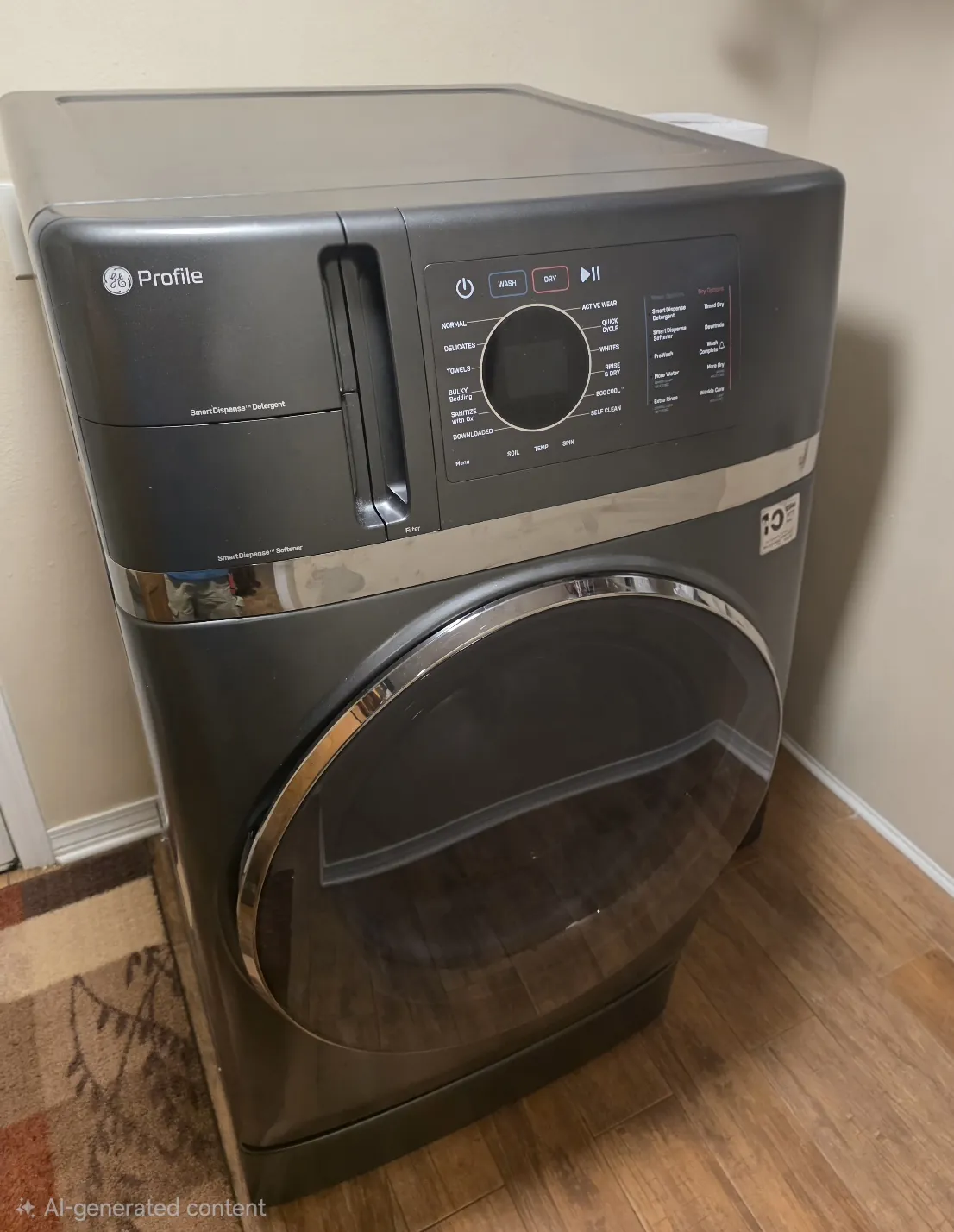
For some GE Profile UltraFast Combo models, GE provides an owner procedure for cleaning the lint-filter compartment and describes lint gathering in the inlet duct, filter channel, and around heat-exchanger fins. That is useful evidence that air-path care matters, but it is not a universal instruction. Follow the manufacturer’s model-specific procedure, not a generic schedule.
How often should the air channel be professionally cleaned?
There is no single calendar answer that is honest for every all-in-one unit. Calling for annual air-channel cleaning may make sense for one model and be unnecessary or even the wrong task for another. The right interval depends on how the appliance is designed, how much it is used, the fabrics it handles, and which maintenance parts the owner can safely reach.
A better rule is to act on a pattern. Arrange professional service when a previously reliable machine remains slow after the model-approved filter and drain care, when you can see lint building up beyond the accessible areas, when an air-path or filter warning keeps returning, or when drying comes with unusual heat, moisture, smell, noise, or errors. Those are signs that an internal inspection is more valuable than another round of trial and error.
If you call, have the model number ready. Say whether the issue happens on every load, whether the machine washes normally, whether the load is warm but damp or fully cold, and what owner maintenance you have already completed. Those details give the visit a much clearer starting point.
4. Check water and drainage without taking anything apart
Some washer dryer combos use water as part of the condensing process. That surprises people who are used to a conventional dryer. LG explains that certain combo units need cold water to remove moisture during drying, so closed taps, restricted inlet filters, reversed hoses, or a drain issue can affect drying performance.
Check only the accessible basics: make sure the water taps are fully open, look for a visibly kinked or crushed hose, and confirm the drain hose is not pinched or sitting in a way that traps water. Do not pull a heavy unit out by its hoses or cord, and do not remove a back panel. If the machine is leaking, leaving water behind, or showing a drainage error, stop using it and schedule service.
5. Know the signs that this is no longer routine care
Routine care is meant to keep the machine working well. It is not meant to solve every drying problem. Book an appointment when a smaller, properly spun load still stays wet; the unit starts taking far longer than its usual cycle; accessible cleaning does not help; the machine repeatedly shows a warning; or there is a leak, burning smell, unusual heat, grinding, or electrical concern.
People 1st Home Services helps with all-in-one washer dryer repair for households across the communities we serve. Share the model number and what changed, then choose a convenient time through the appointment page. That is usually faster, safer, and cheaper than replacing parts based on a guess.
A practical reset before you book
- Stop immediately for burning smells, smoke, leaks near electrical connections, damaged cords, or repeated errors.
- Run one smaller load of similar fabrics, using a model-approved normal drying setting.
- Make sure the load was spun well before drying.
- Complete only the owner-accessible maintenance listed in your manual.
- Check visible water and drain connections for a sharp kink or crushing.
- Book service when drying has changed suddenly or normal care does not restore performance.
All-in-one washer dryer taking too long to dry?
Tell us what changed, and choose a convenient time for a repair visit.
Frequently asked questions
Is it normal for an all-in-one washer dryer to take a long time to dry?+
Often, yes. Many all-in-one units use ventless condensing or heat-pump drying, which usually takes longer than a conventional vented dryer. The exact time still depends on the model, load size, fabric, spin speed, settings, water supply, drain path, and maintenance. A sudden change from the machine's usual performance is worth investigating.
How full should an all-in-one washer dryer be for drying?+
The drying capacity is often lower than the washing capacity. A load that washes comfortably can be too full to dry efficiently. Use your model's manual as the final word, but reducing a bulky or mixed load so clothing can tumble freely is a sensible first test.
What maintenance can I do myself?+
Only perform the cleaning steps your model manual identifies as owner-accessible. Depending on the machine, that may include cleaning a lint filter, drain-pump filter, dispenser, door gasket, or running a tub-clean cycle. Do not remove panels, reach into an internal air channel, or attempt to clean hidden heat-exchanger parts unless the manufacturer specifically provides that procedure.
How often should an all-in-one washer dryer air channel be professionally cleaned?+
There is no honest one-size-fits-all schedule. Some models have accessible channels or filters, while others use different systems. Arrange service when the model-specific care steps no longer restore normal drying, when lint is collecting beyond accessible areas, or when the unit shows errors, leaks, unusual heat, smells, or a persistent drying problem.