A washer that will not drain can leave you with a tub full of water, a heavy load of wet clothes, or a cycle that seems to stop just before the finish line. The issue may be as simple as an uneven load or a visibly kinked hose, but it can also involve the washer's drain system, a household plumbing backup, or an internal part that needs diagnosis. The useful first step is to notice what happened, not to guess at a part.
This guide is for safe, outside-the-machine observations. It is not a reason to pull the washer away from the wall, open panels, disconnect hoses, or keep restarting a cycle that has already failed. When a washer problem does not have a clear, owner-approved fix, People 1st Home Services provides washer repair in DeFuniak Springs and serves nearby Walton County homes.
Stop using the washer if water is on the floor, you smell burning, a cord or outlet looks damaged, a breaker trips, or the machine makes a sharp grinding sound. Do not stand in water to unplug an appliance or touch a cord near the puddle. Water and electricity can create a shock risk. Keep the area clear, use towels only where it is safe and dry to do so, and arrange help for an active leak or electrical concern.
First, confirm that the washer is actually stuck
Some washers pause between wash, drain, and spin. A short quiet moment can look like a problem when you are waiting for the water to leave. A true drainage issue is more likely when water remains well above the bottom of the drum, the machine stops at the same point every time, the clothes are much wetter than usual, or an error code appears.
Before you touch anything, note the last thing the washer did. Did it wash normally and stop before spin? Did you hear a hum without water moving? Did the problem start with one bulky item, after changing detergent, or after the washer was moved? If there is a code on the display, take a photo of it. These details make it easier to use the owner's manual correctly and give a repair visit a stronger starting point when you make an appointment.
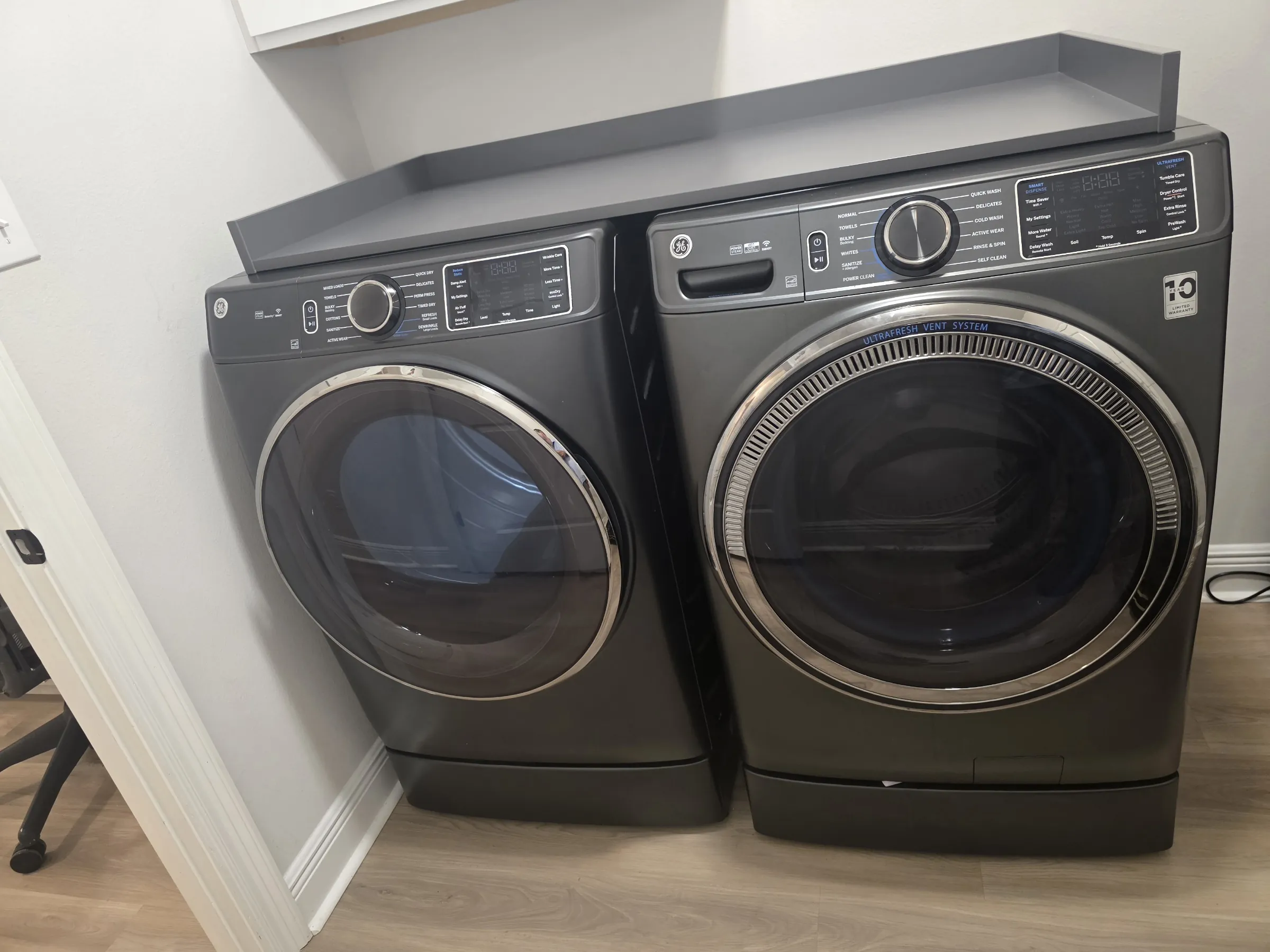
1. Check for an uneven or overloaded load
A comforter, bath mat, thick blanket, or one heavy item can collect on one side of the drum. When a load is badly unbalanced, many washers will avoid a full spin to prevent excess movement. That can leave water in the drum or clothes too wet for the dryer. Whirlpool includes an unbalanced or overloaded load among the common reasons a washer may not drain or spin normally in its washer drainage and spin guidance.
Pause or cancel the cycle only as your model allows. If the tub is not dangerously full, redistribute a lopsided load or remove a few items so the laundry can move. Then use one model-approved drain-and-spin or spin-only setting, if the manual lists one. Do not keep restarting a complete wash cycle. Adding more water to a washer that is already struggling to empty can turn a straightforward symptom into a bigger interruption.
If one balanced test load finishes normally, the original load may have been the cause. If the washer still leaves water with a reasonable, balanced load, move on to the visible checks. Our washer not spinning guide can also help when wet clothes and an incomplete spin are the main symptoms.
2. Look at the visible drain hose, without moving the washer
The drain hose carries used water from the washer to the standpipe, laundry sink, or drain connection. A hose that is sharply bent, crushed behind the washer, or visibly damaged can restrict that flow. Look only at the portion you can see safely. Check whether storage boxes, a laundry basket, or the washer itself is pressing on the hose.
Do not pull the appliance forward by yourself, disconnect a hose while water is in the tub, or force a hose farther into the drain. The right height and placement are specific to the washer and its installation. Whirlpool notes that a kinked, clogged, or improperly positioned drain hose can prevent normal draining, and that the installation instructions for the model are the right reference for its setup.
If you see obvious damage, a severe kink that does not release, or water dripping behind the washer, leave the machine off and arrange service. A hose concern can be simple, but it is not worth trading a laundry delay for a floor leak. A washer that is also leaking may have a separate issue, so use the washer leak guide to keep the next step focused.
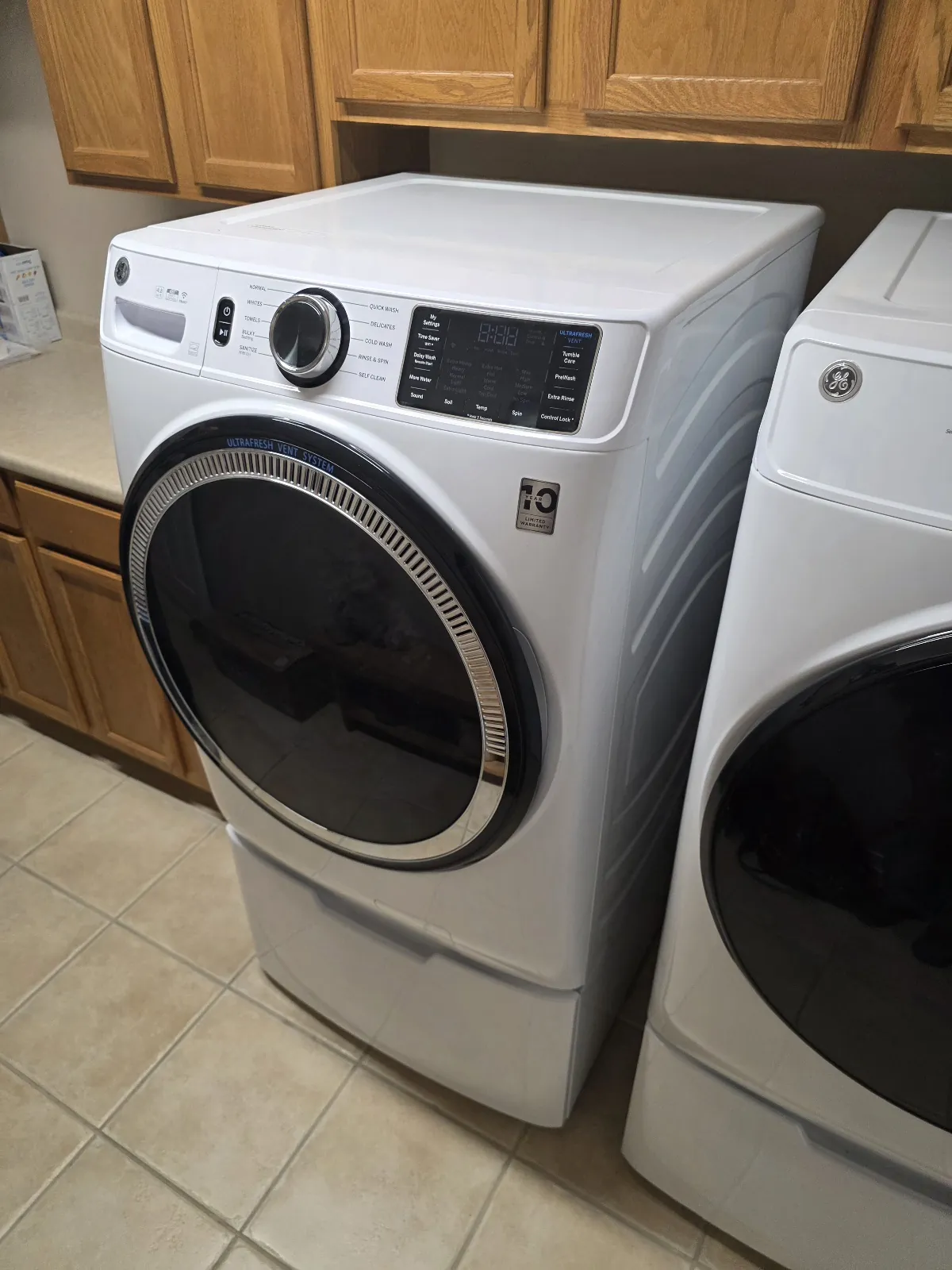
3. Notice whether the household drain is backing up
Not every drainage problem starts inside the washer. The washer may be pumping water out, but the household drain may not be able to accept it quickly enough. Watch for water rising in a laundry sink, coming up around the standpipe, gurgling at the drain, or appearing on the floor near the plumbing connection.
A household backup needs a different next step from a washer repair. Do not pour drain cleaner into the washer or a nearby standpipe, and do not use a wire or hose to probe hidden plumbing. Those shortcuts can cause a spill, create a chemical hazard, or make the real cause harder to identify. A clear note such as “the laundry sink rises when the washer drains” is valuable information for the right professional.
When there is no visible plumbing backup, but the washer keeps water in the drum, the concern may still be in the washer's drain route or pump. This is where recording the cycle stage, sound, and code becomes much more useful than trying another random reset.
4. Check detergent and suds before you repeat the cycle
Extra detergent can create more suds than the washer can manage. Excess foam can interfere with normal draining and spinning, especially in high-efficiency machines that use less water than older designs. If the issue started after a new detergent, an extra pod, a larger pour, or a smaller-than-usual load, that is worth noting.
Use only the detergent type and amount the owner manual calls for. Do not add more detergent to “clean out” a washer that has already left foam or water behind. If your model's manual offers an approved rinse, drain, or cleaning step for excess suds, follow that exact process once. If the problem returns with measured detergent and a normal load, treat it as a repair concern rather than a detergent experiment.
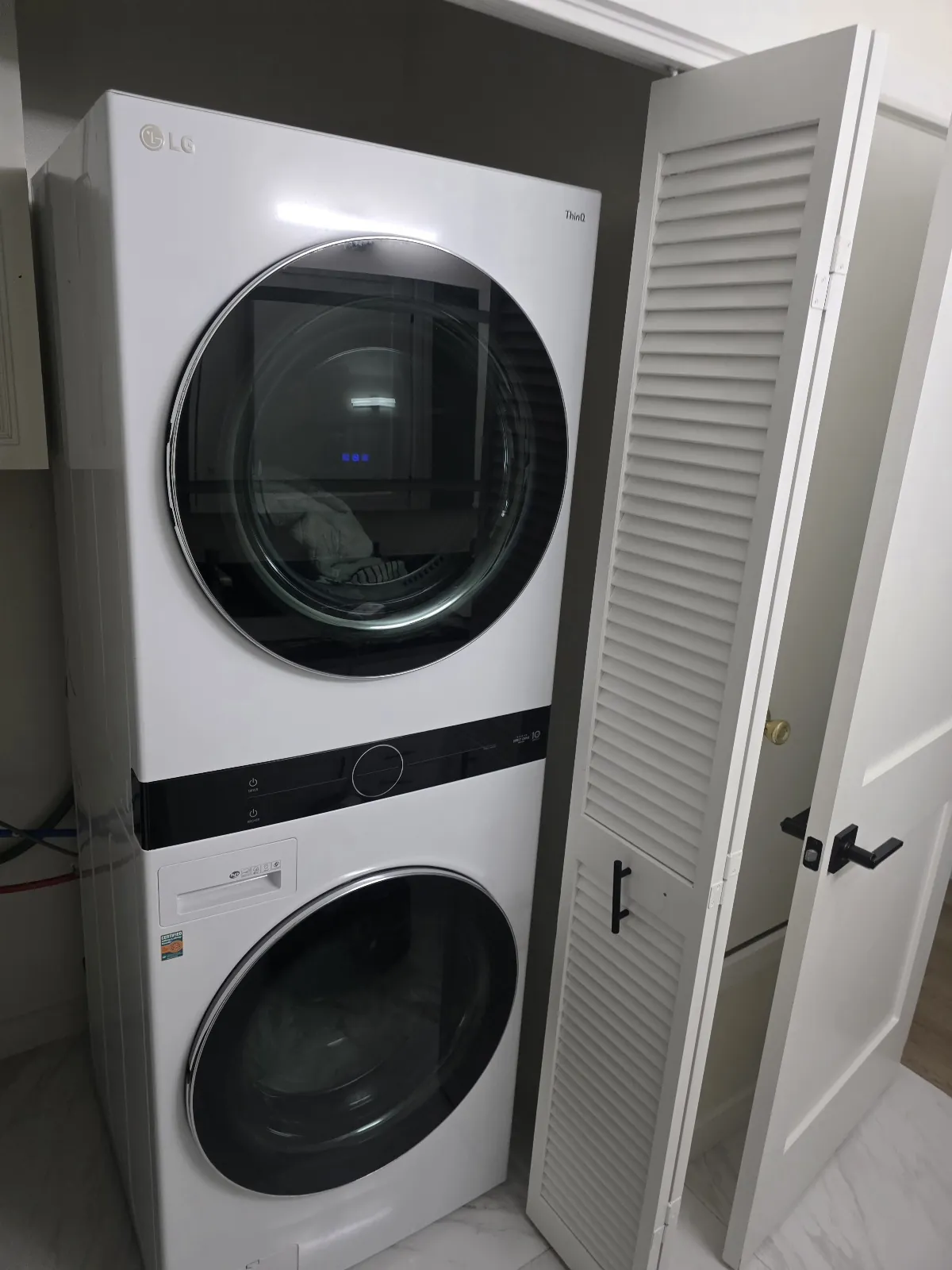
For a laundry tower, the machine's setup and owner-accessible parts can be different. The laundry tower drainage guide explains the safe checks for that vertical configuration.
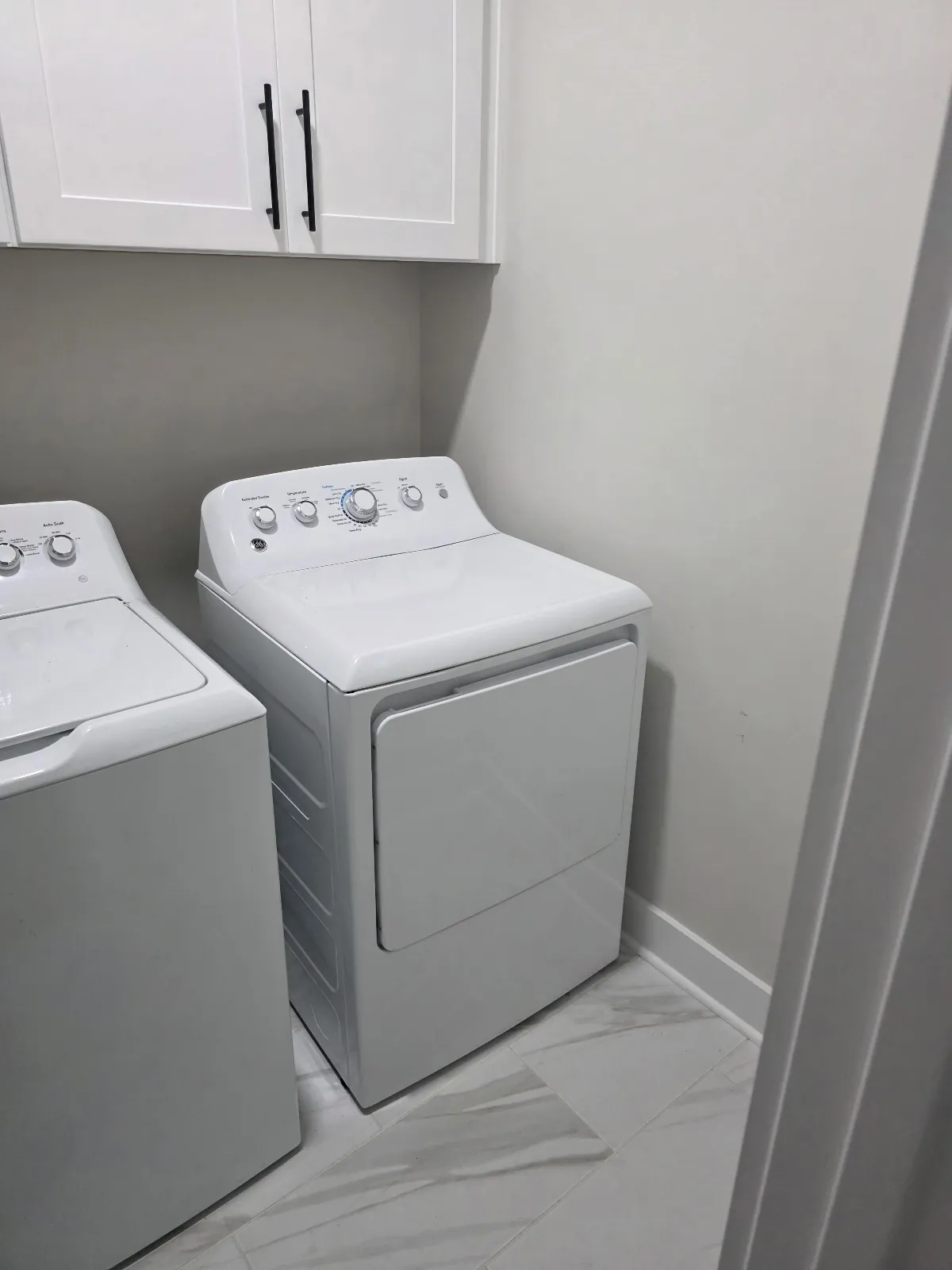
5. Use only owner-approved filter care
Some front-load washers have an owner-accessible drain-pump filter. Others do not. On a model designed for it, the filter can collect lint or small items over time. On a different washer, opening the wrong panel can expose electrical components, release water, or damage a seal.
Start with the exact brand and model number, then read the owner manual or the manufacturer's support page. GE Appliances' washer drainage guidance also directs owners to check model-specific instructions before moving beyond visible causes. If your manual identifies a filter as owner-accessible, follow its steps exactly. Have towels and a shallow pan ready because residual water may come out. Stop if a cover will not open as described, if the manual does not show the part, or if the washer is still connected to an unsafe wet area.
Do not remove the rear, top, or lower panels to search for a blockage. A failed drain pump, internal hose, door lock, pressure sensor, wiring issue, or control issue cannot be identified safely by working around inside the cabinet. That diagnosis belongs in a repair visit.
6. Record the code, sound, and cycle stage
An error code does not always identify one failed part, but it does narrow the conversation. Take a photo of the code before clearing it. LG's washer drainage support guidance is a useful reminder that codes and reset steps are model-specific. Note whether the washer hums, tries to spin, stops after filling, leaves water after draining partway, or makes a new rattling or grinding sound. Also note whether the door or lid stays locked.
Manufacturer guidance can help explain a code for a specific model, but avoid generic reset sequences found for another washer. A one-time, manual-approved reset may be reasonable after the simple checks above. A code that returns, especially with standing water, a leak, or unusual sound, is a sign to stop testing and arrange service.
When you are ready to book, you do not need a diagnosis. Saying “the washer stops before spin and leaves water in the tub” or “it hums but does not empty” is enough to start. People 1st can help with washer and dryer repair throughout the communities we serve.
When a washer that will not drain needs repair
The safe checks above can catch a lopsided load, a visible hose problem, excess suds, or a household drain backup. They cannot confirm an internal blockage, a drain-pump failure, a lid or door-lock problem, damaged wiring, or a control issue. Continuing to run a washer that repeatedly leaves water behind can lead to a larger pile of wet clothes, a leak, or more stress on the machine.
Arrange repair when the washer does not drain after one balanced, owner-approved test, when a code keeps returning, when it hums without moving water, or when you cannot safely identify the cause. Stop using it immediately for water near power, a burning smell, smoke, damaged wiring, repeated breaker trips, or a leak that reaches the floor.
People 1st Home Services helps local households move from an interrupted laundry day to a practical next step. You can see examples of the appliances we work on in recent appliance work, then choose an appointment time that works for your household.
A quick checklist before you book
- Stop using the washer for a leak, water near electricity, burning smell, damaged cord, breaker trip, smoke, or sharp grinding sound.
- Confirm whether water is truly remaining in the drum after a normal pause.
- Redistribute an uneven load and use one model-approved drain-and-spin or spin-only cycle.
- Look at the accessible portion of the drain hose for a sharp kink, crushing, or visible damage.
- Check for water rising at a laundry sink, standpipe, or nearby drain.
- Use filter care only when the manual for your exact model says the filter is owner-accessible.
- Write down any code, new sound, and the point in the cycle where the washer stopped.
Washer leaving water behind?
Tell us what the washer did before it stopped, then choose a convenient time for a repair visit.
Frequently asked questions
Why is my washer not draining the water out?+
A washer may leave water behind because the load is badly unbalanced, the drain hose is kinked or restricted, excess suds are interfering with the cycle, the household drain is backing up, or an internal part such as the drain pump, lid or door lock, wiring, or controls needs diagnosis. The cycle stage and any error code are useful clues, but they are not a reason to take the washer apart.
Can I run a spin cycle if my washer will not drain?+
Use a drain-and-spin or spin-only cycle only when your owner manual describes it and there is no leak, burning smell, electrical concern, or unusual grinding sound. A single controlled attempt after redistributing the load can be useful. Repeatedly restarting full wash cycles adds more water and can make the original problem harder to understand.
Should I clean my washer drain-pump filter?+
Only clean a drain-pump filter when the owner manual for your exact model identifies it as owner-accessible and gives the procedure. Some front-load washers have a lower access panel, while others do not. Use the manual's instructions, prepare for residual water, and do not remove panels or force a cover open.
When should I call for washer repair?+
Arrange repair when water remains after a balanced test load and the visible hose checks, when an error code returns, when the washer hums without draining, or when the machine will not spin. Stop using the washer immediately for water near electricity, a damaged cord, a burning smell, smoke, repeated breaker trips, or a leak that reaches the floor.