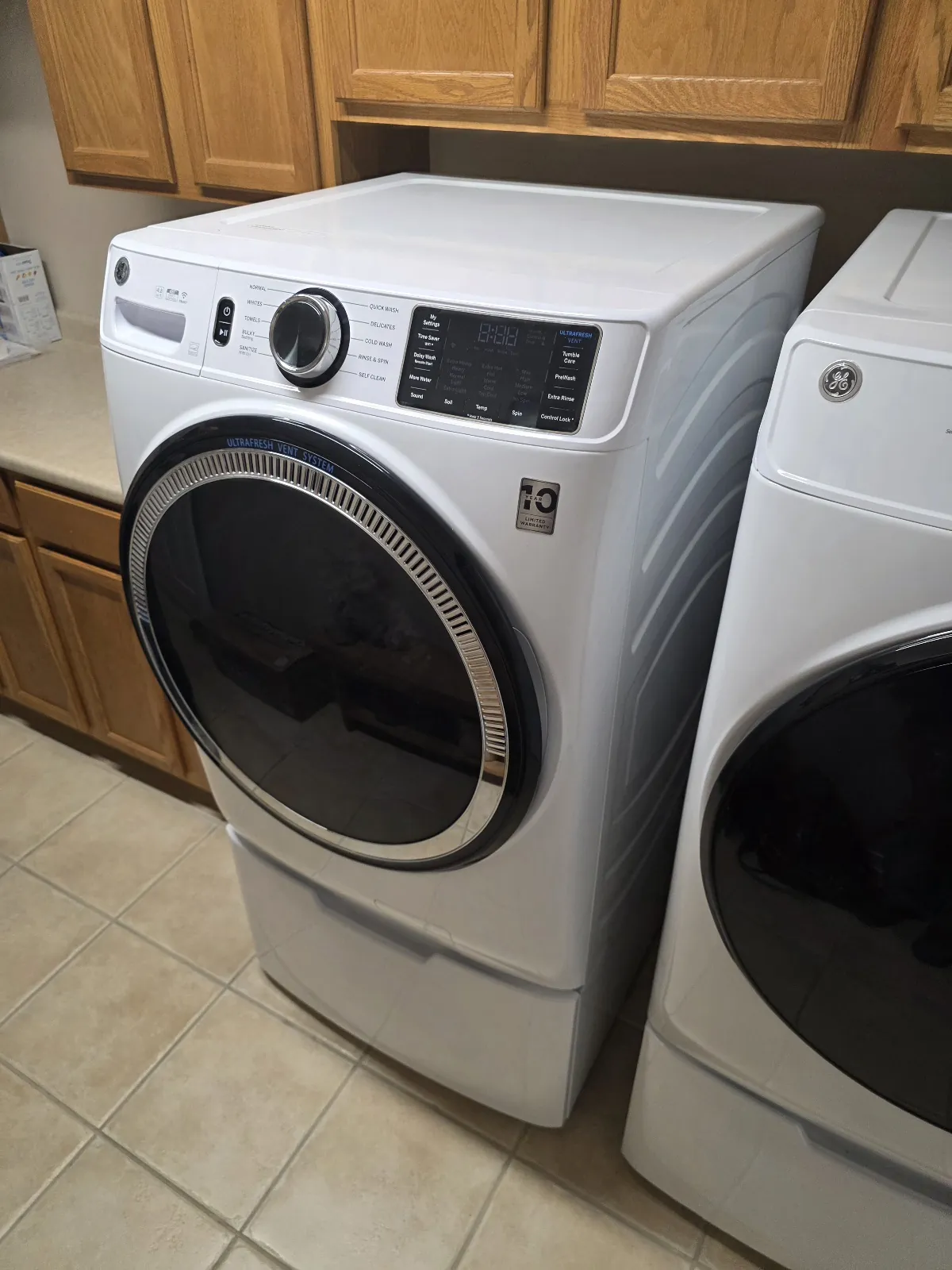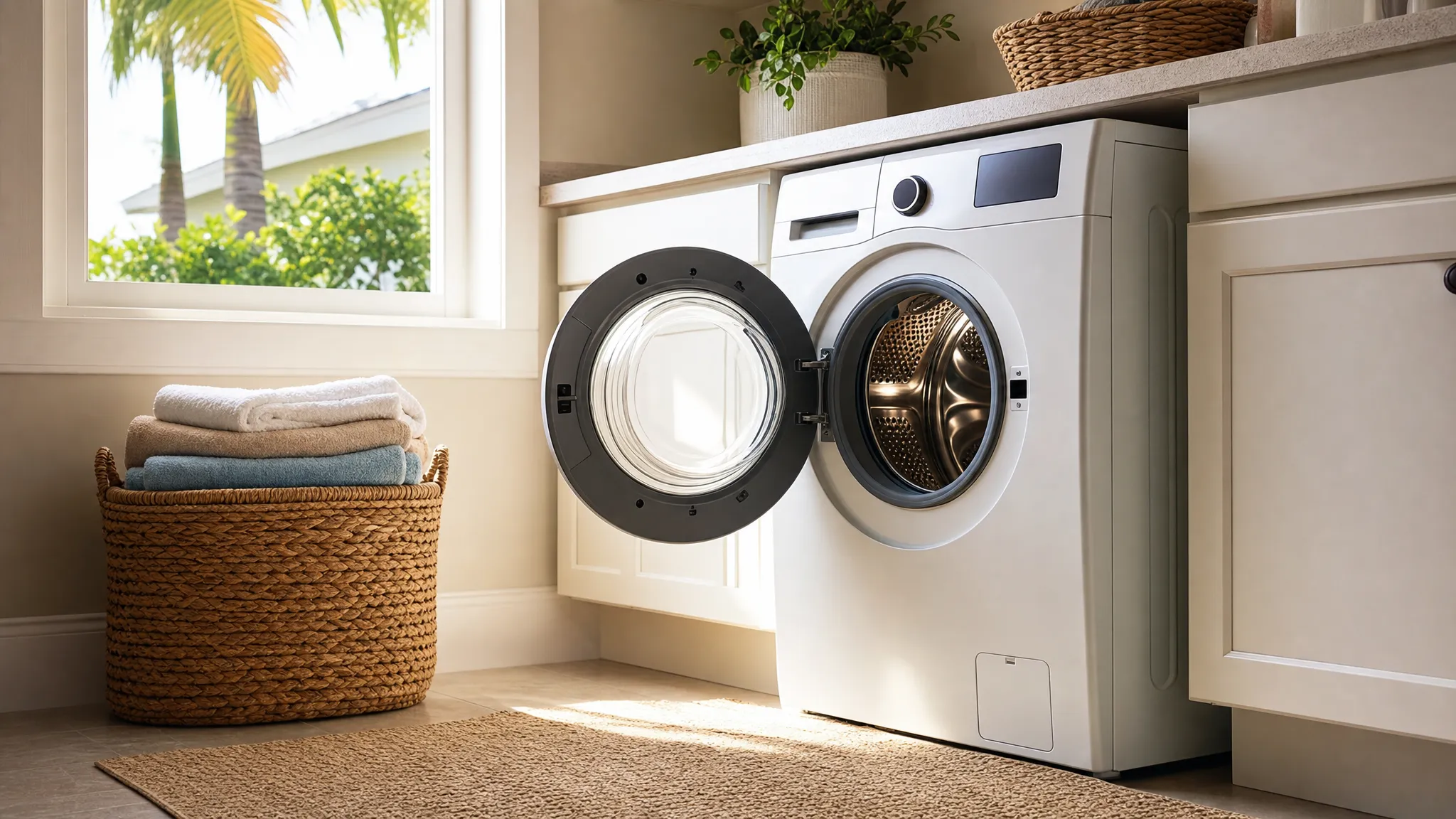
A front-load washer has a different rhythm from a top-load machine. Its door gasket seals water in during a cycle, but that same gasket can hold moisture after laundry is removed. Detergent, fabric softener, damp air, and small items left in pockets can also leave residue where it is hard to notice. Regular care is less about making the washer look perfect and more about giving moisture and buildup fewer places to linger.
Start with your model’s owner’s guide. Button names, approved cleaners, pump-filter access, and cleaning-cycle instructions vary by brand and model. Whirlpool generally recommends a cleaning routine at least monthly or every 30 cycles, while GE gives many front-load models a monthly or roughly 40-cycle self-clean schedule. Those are useful examples, not a replacement for your own manual. The safest plan is to use the cycle and products your washer’s manufacturer approves.
Do not keep running cleaning cycles for water near an outlet, a burning smell, smoke, a damaged cord, a repeated breaker trip, a new grinding sound, or an active leak. Do not remove panels, reach behind the washer, or move a heavy appliance to investigate.
Start with a simple after-load routine
When the wash finishes, remove the load as soon as practical. Leaving wet fabric in any washer can make the drum and laundry smell stale, but it is especially helpful to clear moisture from a front-loader before the door closes again. Check the drum for a sock, tissue, label, or small item before starting the next load.
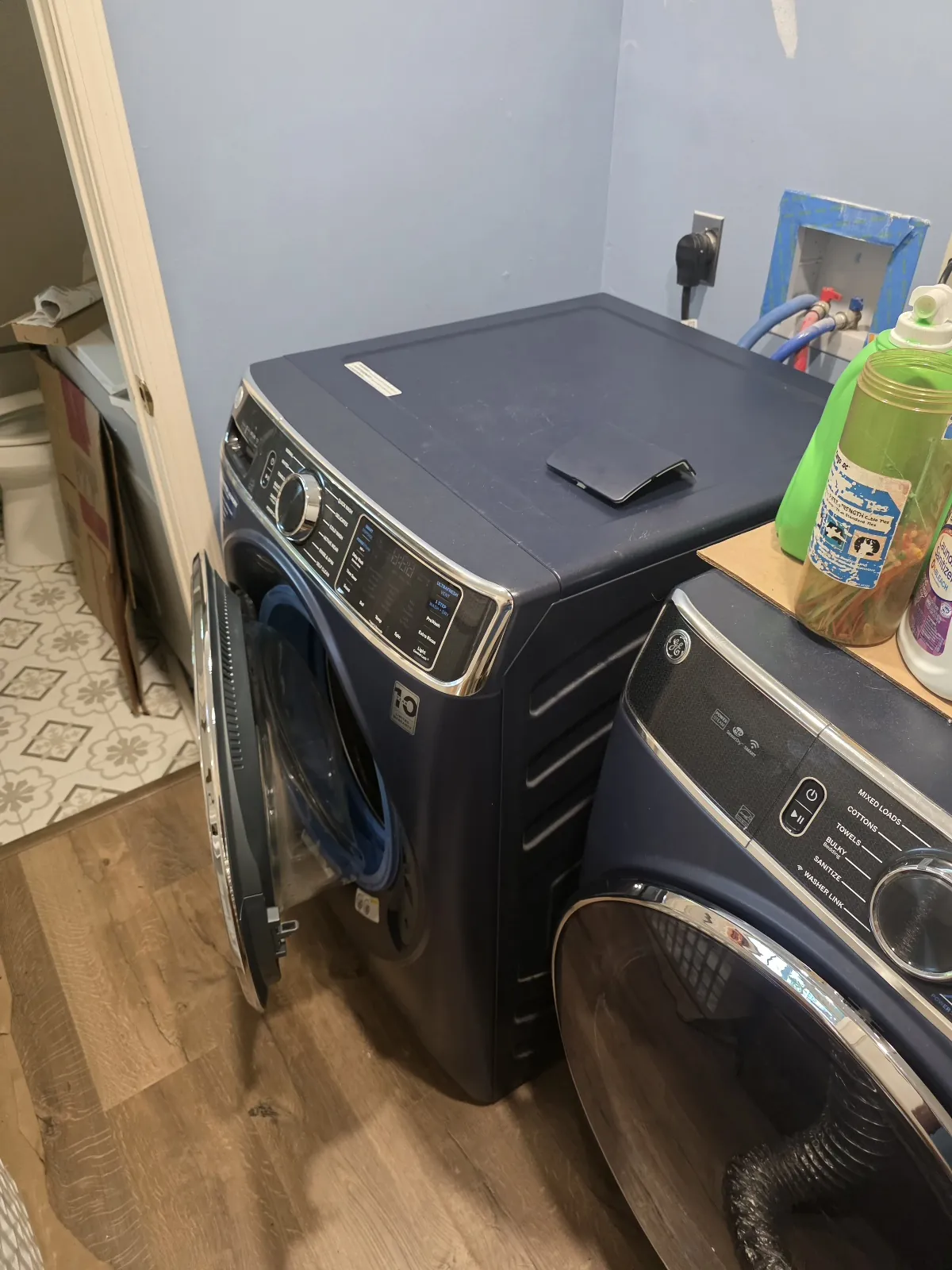
Then leave the empty door slightly ajar if the care guide allows it and the laundry room is safe for children and pets. Whirlpool explains that airflow helps the sealed door area dry after a cycle. You do not need to prop the door wide open all day. A small opening after the machine is empty gives the drum and gasket time to dry without treating the washer like a storage shelf.
Use the cleaning cycle your model provides
Many front-load washers have a dedicated clean, self-clean, or basket-clean setting. Run it with an empty drum and use only the cleaner or product amount your owner’s guide permits. The names sound similar, but the instructions can differ. Some models call for a washer cleaner, some allow a specific amount of bleach, and some have a drying feature that follows the cycle. Mixing products or guessing at a recipe can create excess suds, damage finishes, or leave residue behind.
If your washer does not have a dedicated cleaning setting, the manual is still the source of truth. GE’s front-load self-clean guidance notes that models without a BasketClean cycle may use a specified empty heavy or cotton cycle, while Whirlpool tells owners to follow the appliance’s care guide for the appropriate procedure. Never run a cleaning cycle with laundry inside. If you are unsure which option is right, find the model number and look up the manual before pressing start.
Wipe the gasket gently, without digging into it
The soft rubber gasket around the door is one of the most important places to check. With the washer off and empty, look along the visible folds for a small item, hair, lint, or detergent residue. A damp soft cloth is often enough for routine care. Follow the manual if it gives a specific cleaning solution or says to use plain water. Afterward, wipe away any cleaner as directed and dry the accessible surface.
A gasket should seal evenly when the door closes. Do not use a knife, screwdriver, wire brush, or abrasive pad to scrape inside the folds. Do not pull the gasket away from the cabinet or force anything trapped behind it. GE’s front-load guidance advises looking for foreign objects and blocked holes, then wiping the accessible gasket surface as directed. If the rubber is torn, loose, repeatedly moldy after approved cleaning, or allowing water onto the floor, that is a repair concern.
Keep detergent and softener residue under control
Front-load washers use less water than many traditional machines, so product amounts matter. Too much detergent can create more suds than the machine expects, and leftover soap can collect in the drum or dispenser area. Use high-efficiency detergent when the manufacturer calls for it, measure according to the product and load, and do not treat the “max” line as a target. A smaller dose can be correct for a lightly soiled or smaller load.
Check the detergent drawer for sticky residue. If your manual says the drawer is removable, take it out only as instructed, rinse it, and let it dry before reinstalling it. If it is not designed to come out, wipe the reachable surfaces rather than prying at clips. GE recommends checking model-specific directions for the dispenser because the design and approved cleaning method are not universal. A drawer that will not open, does not rinse product through, or keeps overflowing needs diagnosis, not force.
Use laundry habits that keep residue from building up
Care does not begin and end with the cleaning cycle. Small choices during ordinary laundry can make a front-load washer easier to keep fresh. Use the amount of detergent the product and your owner’s guide call for, rather than adding an extra splash “just in case.” Do not overload the drum, and check pockets for tissues, coins, hair ties, and small objects before a load begins. Those items can make their way into folds, drains, or filters that are not meant to be opened without a manual.
It also helps to pay attention to a change in the result, not just a change in the smell. Clothes that emerge with visible residue, a drawer that still holds product, an unfamiliar amount of suds, or a cycle that suddenly runs differently are all useful observations. Write down the setting and what happened. You do not need to try several cleaners or restart the washer repeatedly to prove there is a problem. A clear description of the first normal load that changed is more useful than a long list of experiments.
If the washer runs but leaves clothes soaking wet, maintenance is no longer the main question. Review the washing machine not spinning guide or the washer not draining guide for safe next steps. Both problems can interrupt laundry quickly, and neither is a reason to force a door, remove the drain hose, or reach behind the machine.
Only clean a pump filter when your model permits it
Some front-load washers have an owner-accessible pump filter behind a small lower-front door. Others do not. The filter can catch coins, hairpins, or small items, but opening it can also release water. GE’s instructions for compatible models call for towels and a shallow pan because roughly a cup of water may come out during the process. That is why the exact manual matters before you begin.
If your model includes the procedure, turn the washer off, prepare the floor as instructed, and move slowly. Do not open a filter when the washer has stopped with a full tub of water or when the appliance is already leaking. Do not turn a stuck filter with tools. For a washer that leaves standing water, pauses before spin, or makes a new hum, use our washer not draining guide for safe observations and then arrange repair if the problem remains.
Separate a routine odor from a repair warning
A mild stale smell after a damp load has been left inside can often improve with normal cleaning and better airflow. A strong odor that returns right after the model-approved routine is different, especially if it arrives with standing water, a drain problem, a leak, unusual noise, or an error message. Do not cover the smell with more fabric softener or perfume beads. Those products can make it harder to tell whether residue is still building up.
Manufacturer guidance is consistent on the basic point: moisture and laundry-product residue can linger in a front-load washer, so cleaning the accessible drum, door gasket, and dispenser matters. Whirlpool’s front-load washer cleaning guidance recommends using the model’s care instructions, cleaning the gasket and dispenser, and allowing the empty washer to dry. If the smell remains after that approved process, it is time to stop treating it as a cleaning shortcut and arrange a diagnosis.
Give the outside and nearby connections a quick look
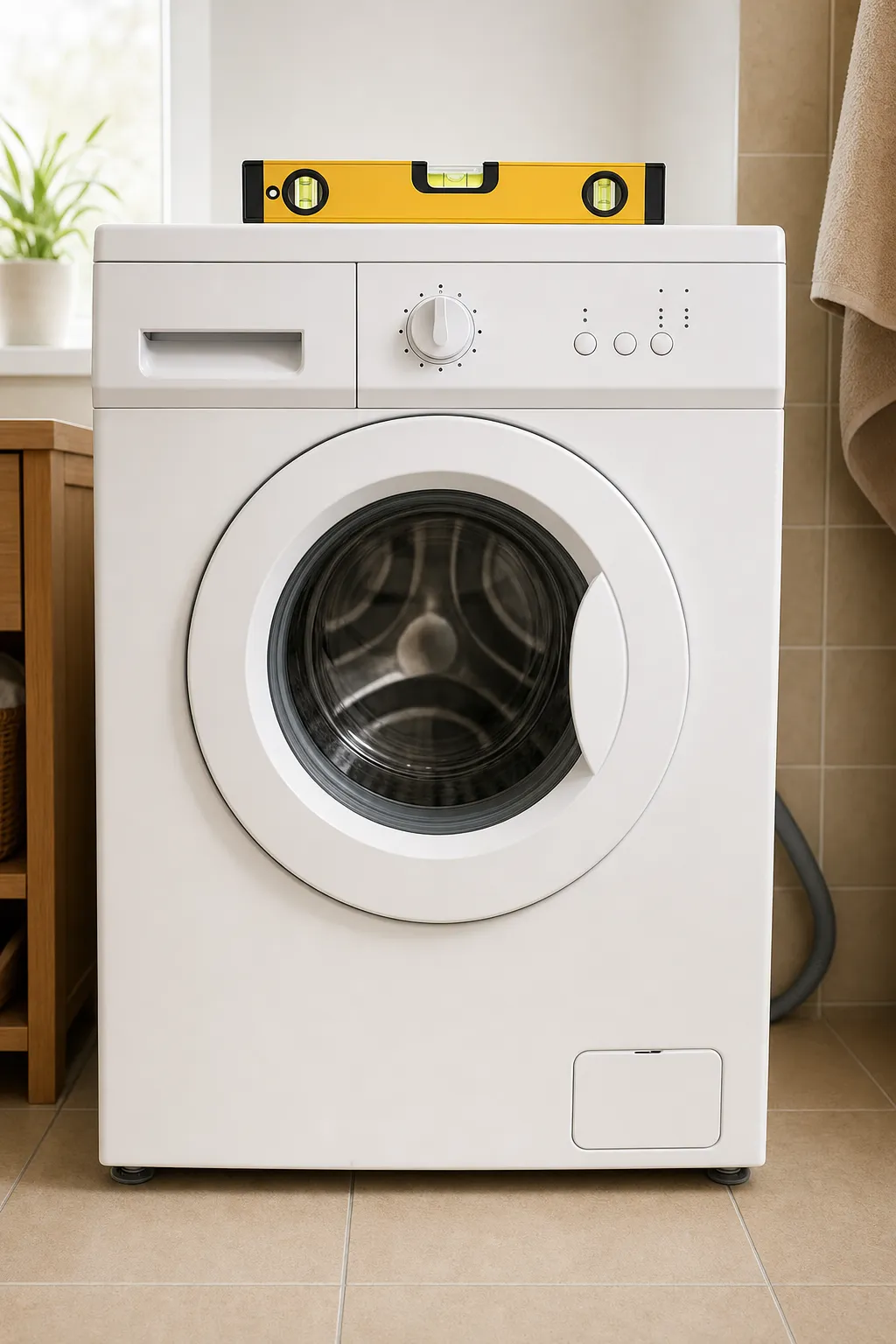
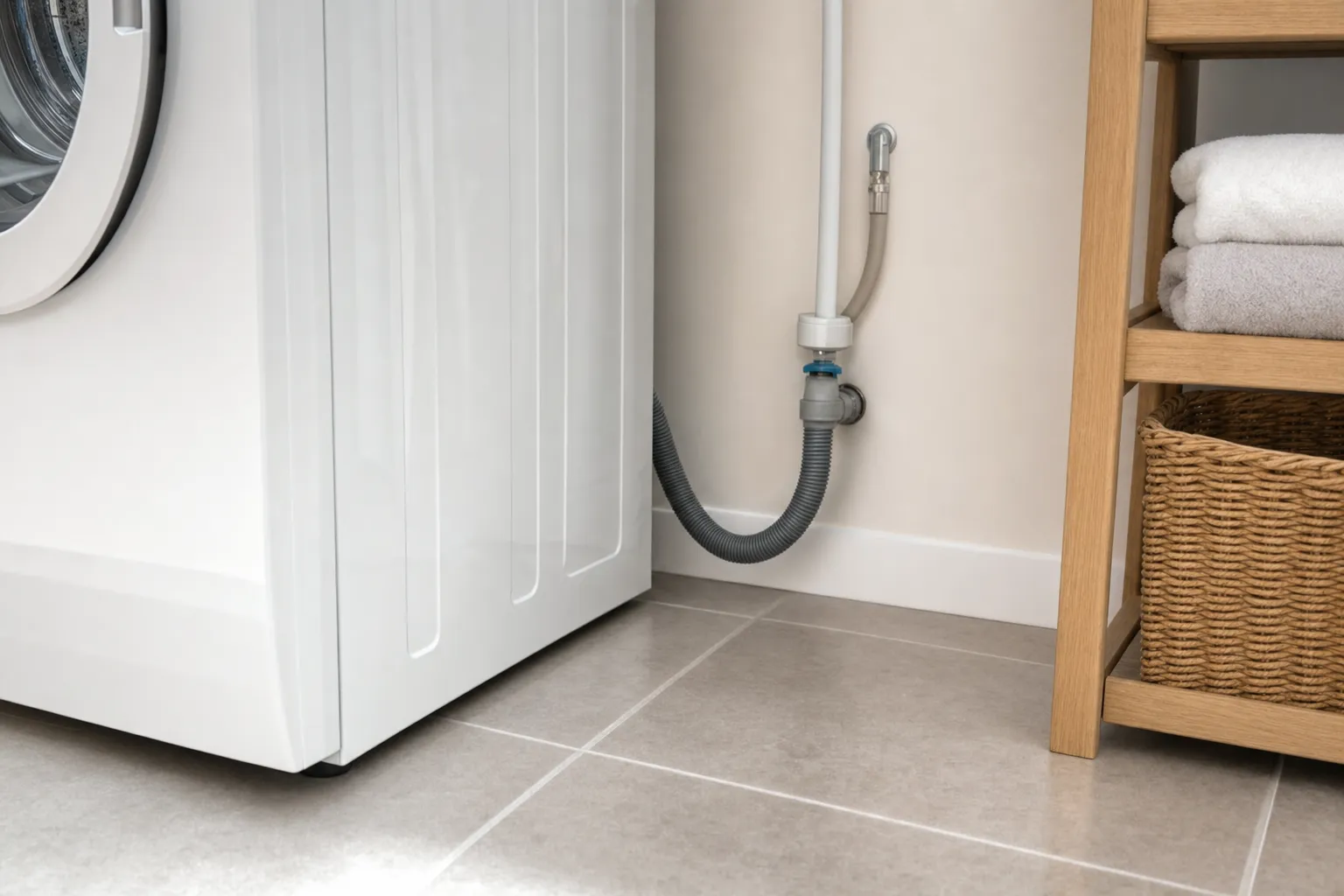
There is no need to pull the washer away from the wall for routine maintenance. From the front and sides, look for a new puddle, corrosion, a damaged door glass, or a detergent drawer that is overflowing. During a normal cycle, notice whether the machine suddenly shakes harder than usual or begins walking. Keep the top clear of heavy baskets or containers that could fall during spin.
If a front-load washer has begun moving, banging, or vibrating, do not try to level it while it is running. An uneven load can cause a one-time shake, but repeated movement deserves attention. The washing machine shaking guide can help you identify the safe details to note. Do not reach behind the machine to inspect hoses or power connections. Water and electricity are a reason to stop and get help, not a do-it-yourself test.
Know the line between care and repair
Maintenance helps with ordinary residue, moisture, and the occasional forgotten item. It does not correct a washer that cannot drain, will not spin, leaks from the door, shows a recurring error, trips a breaker, or makes a sharp new noise. A musty odor that returns immediately after the approved cleaning routine can also point to a concern beyond the visible drum or gasket.
People 1st Home Services provides washer repair across Walton County and nearby communities. When you book, share the washer brand and model if it is easy to find, the setting you used, whether water remained in the drum, and whether you saw a code, leak, or new noise. For a washer that has already stopped spinning, the related washing machine not spinning guide can help you describe what happened without taking the machine apart. You can also review the communities we serve and choose a time through our appointment page.
A front-load washer maintenance checklist
- Remove laundry promptly and check the empty drum for small items.
- Leave the door slightly ajar after the load if your manual and household setup allow it.
- Wipe the accessible door gasket gently and dry it after cleaning.
- Use the model-approved cleaning cycle and cleaner on the manufacturer’s schedule.
- Measure high-efficiency detergent carefully and clean the dispenser only as the manual directs.
- Open a pump-filter access door only when your model specifically permits it and gives the steps.
- Stop using the washer and arrange help for leaks, burning smells, electrical concerns, standing water, or unfamiliar loud sounds.
Front-load washer not acting like itself?
Tell us what changed, whether there is water left behind, and what you see or hear during a cycle. We will help you choose a convenient time for a repair visit.
Frequently asked questions
How often should I clean a front-load washer?+
The right schedule comes from the care guide for your exact model. Many manufacturers recommend a washer-cleaning cycle about monthly or after a set number of washes. If your machine has a reminder, use that as the lead. Frequent laundry, heavy detergent use, a humid laundry room, or a lingering odor can be reasons to follow the approved care routine sooner.
Should I leave the front-load washer door open?+
Leaving the door slightly ajar after the load is removed can help the drum and door gasket dry. Follow your owner’s guide, especially when small children or pets are present. The goal is airflow after the machine is empty, not leaving the appliance unattended during a cycle.
Can I clean the pump filter myself?+
Only if your owner’s manual identifies an owner-accessible filter and gives the steps for your model. Some front-load washers have a small access door and can release water when opened. Put down towels, use a shallow pan if the instructions call for one, and stop if the filter will not move easily or water is already leaking.
When does a front-load washer need repair instead of cleaning?+
Book repair when an odor or residue returns after the manufacturer-approved cleaning routine, or if the washer leaks, will not drain or spin, shows an error, trips a breaker, makes a new loud sound, or leaves clothes unusually wet. Cleaning should never require removing panels, moving a heavy appliance, or working around wiring or water connections.